PROBE CONNECTED · TRANS-THALAMIC PLANE READY
Module 08 · Obstetric imaging

Fetal head biometry, measured automatically from a single frame.

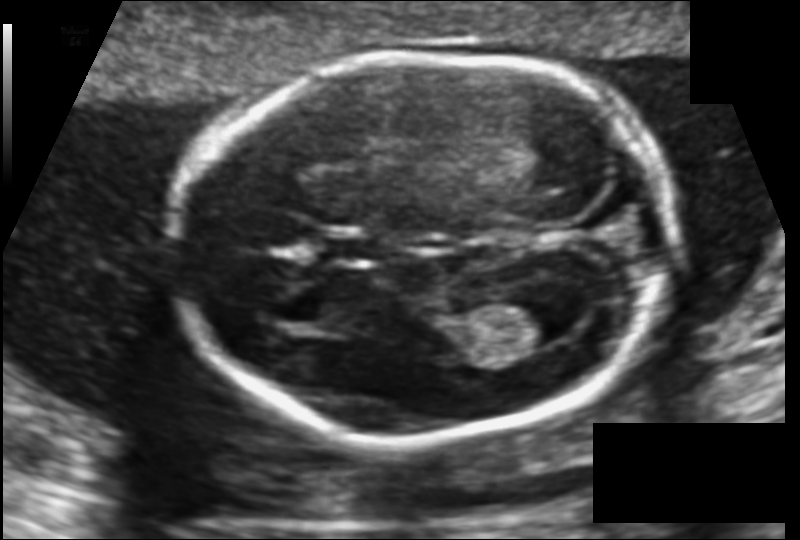
Capture a trans-thalamic ultrasound plane and the system traces the skull boundary, derives HC, BPD, OFD and cephalic index, and plots gestational age against a standard growth chart — in under two seconds.

±1.8mmtypical HC measurement variance vs. sonographer trace
<2scapture-to-biometry pipeline time
4biometric parameters per scan
Preview · Trans-thalamic PROBE READY
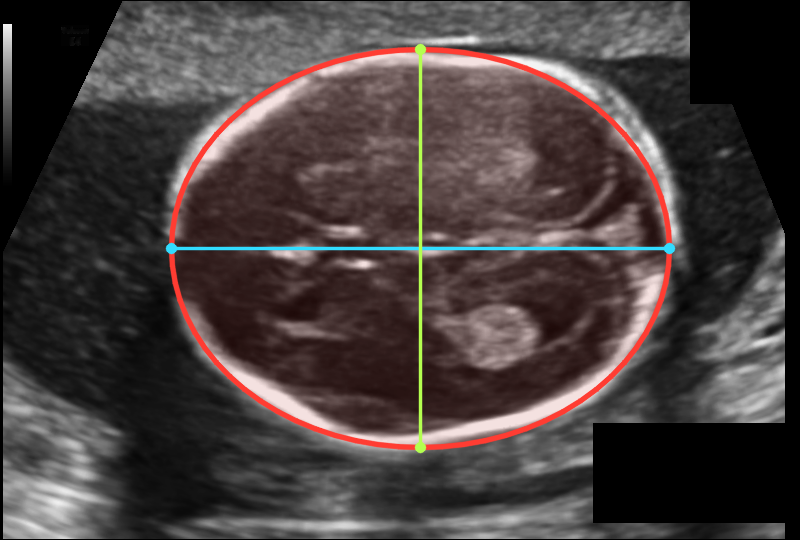
Fetal head ultrasound with biometry overlay
HC 288.4mm · 31w6dTry it below
The lab

Capture a frame. The system does the rest.

This runs the same detection-through-biometry pipeline used across CardioLens's imaging modules. Press scan to capture a trans-thalamic plane and trace the fetal skull automatically.

Probe idle
Probe idle — ready to capture
Position the trans-thalamic plane and press scan. The system will detect the skull boundary automatically.
Segmented scan Raw scan Boundary confidence
Biometry
Head circumference (HC)
Biparietal diameter (BPD)
Occipitofrontal diameter (OFD)
Cephalic index
How the measurement is derived

From boundary to number.

The skull boundary is traced as an ellipse fit to the bright cranial ring. Standard obstetric formulas convert that ellipse into the four values every second-trimester scan reports.

01

Boundary trace

The bright cranial ring is located and fit to an ellipse — the same target the HC18 fetal ultrasound challenge uses as ground truth.

02

Caliper placement

BPD is read across the ellipse's short axis, OFD across the long axis — matching manual caliper placement technique.

03

HC via Ramanujan

Circumference is computed from the fitted ellipse using Ramanujan's second approximation — accurate to well under 0.1% for typical cranial aspect ratios.

04

GA lookup

HC is matched against a standard fetal growth chart to interpolate gestational age and flag values outside the expected percentile band.